
Watching Your First Tennis Match: What to Notice Beyond the Score
To enjoy your first tennis match, start with the score, the serve, and one question. Sportexa AI can help you discuss a selected match using the data available.
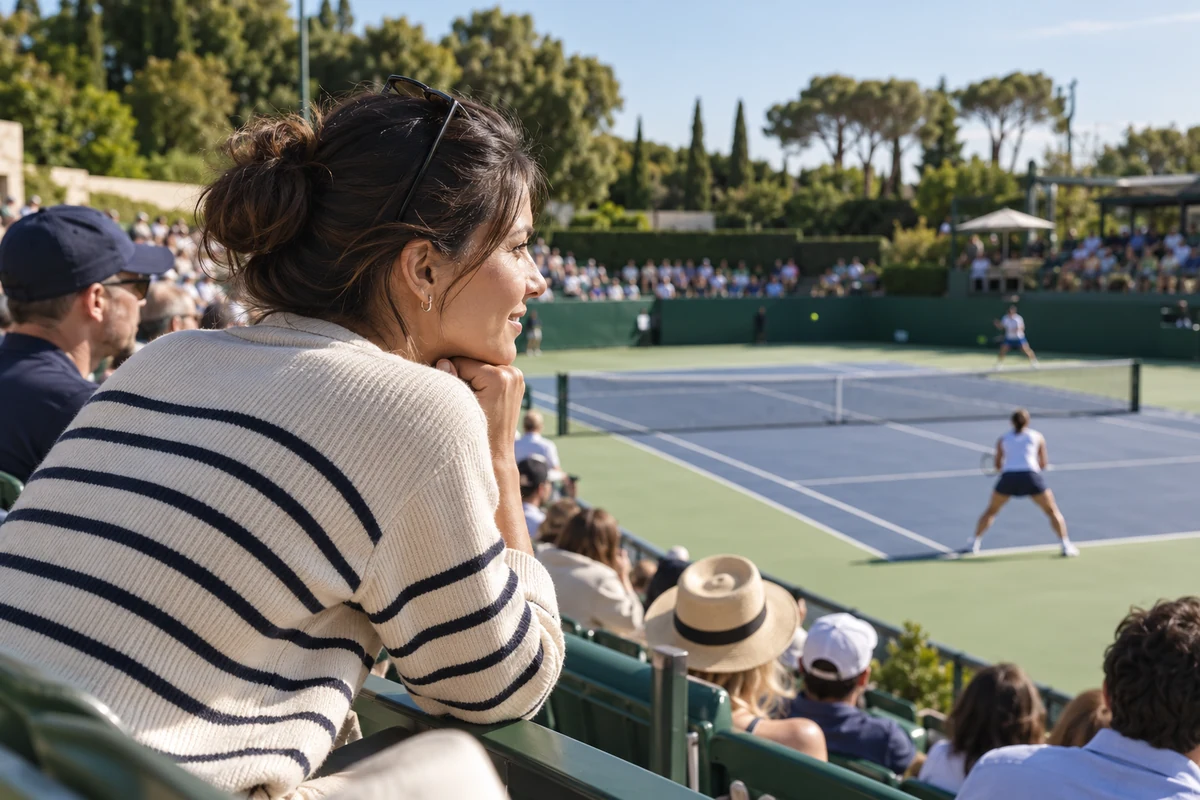
Tennis is easier to follow when you know what to watch
You turn on a match, see a few fast rallies and a score like 30–15, and it can feel as if everyone else understands more. You do not need to know every shot pattern to enjoy your first match. It is enough to understand the score, notice what the serve does, and pick one question about the players.
Points make up games, games make up sets, and the match winner is decided by the number of sets won under that competition’s format. The scoreboard follows the result, but it may not explain why a player is struggling to hold serve or what changed the momentum. Those details make a match more interesting to talk about as you watch.
If you have picked a match, Sportexa AI can help you prepare or discuss it in a chat using the data available for that fixture. Begin with a simple question rather than asking it to teach you all of tennis: “I do not watch tennis often. What should I pay attention to in this match?” Capabilities depend on the match and plan; the sample question does not promise a particular answer.
Free-form questions and conversation require a plan with AI access. Available modes and usage limits depend on your plan.
Start by watching the serve
The server plays each point in a game from serve. So notice not just who wins the rally, but how the point begins: does the player get the ball into play confidently, can the next shot put the returner under pressure, and does the pattern change when the server falls behind? These are viewing observations, not conclusions about technique or physical condition.
Then watch the return. The player who is not serving tries to send the ball back in a way that prevents an easy next shot. Notice whether the returner makes the server play an extra stroke or can take advantage of a shorter serve. Even without technical vocabulary, you can see how the same pair alternates roles and conditions during the rally.
Avoid drawing a broad conclusion from one good or bad point. A dramatic moment is easy to remember, but a match contains many rallies and changing score situations. Ask yourself, “Is this happening repeatedly, or did it happen once?” That question keeps a memorable scene from becoming your whole impression of the player.
Understand what the score changes
A score of 30–15 tells you the points in the current game; it does not describe the player’s whole advantage in the set. A break point gives the returner an opportunity to win the game on the opponent’s serve. It does not mean the break has already happened. A tie-break uses a special scoring sequence in certain situations, and its rules depend on the competition format.
It helps to separate the current points, the game score, the position in the set, and the position in the match. Losing one important game is an event, not automatic proof of a psychological collapse. Such explanations are easy to overstate when a match takes an unexpected turn. Describe what you saw first, and ask for supporting data if it is available.
Here is a beginner’s example: you notice a player lose several points after a second serve. Turn that into a question: “Do the available match statistics show a difference between first-serve and second-serve points?” If those figures are not available, an answer should not guess from the final score. You can still keep watching and see whether your impression appears again in later games.
Ask about the match you selected
Sportexa helps tie a discussion to a selected fixture and explain the sports information available for it in clear language. That can be useful when you are new to the players and want to separate general context from your own guesses. Start with “Who is playing, and what is useful to know before the match?” Then follow up: “What is known about the players’ serving?” or “What are the limits of the statistics available?”
These are sample prompts, not a catalogue of guaranteed data fields. The information available for one match may differ from another. Do not assume that every rally, movement, or detail about a player’s condition is covered. If an answer cites a figure, ask what it measures; if information is missing, ask for an explanation at a broader level.
Keep follow-up questions in the same chat when they concern the selected match; this preserves that match’s context. Start a new chat and choose another fixture to discuss a different pair. If you want to follow the match as it unfolds, live analysis depends on the plan and access to that mode.
Watch first, then revisit your impression
Before the match starts, choose one detail to watch: serving, returning, or the score at a key point. During a break, ask what you have noticed and compare that impression with available statistics, if there are any. After the final point, you can return to the same completed match and discuss the final figures. This small routine makes viewing clearer without turning it into a lesson full of required terminology.
You do not have to predict the winner or have an opinion on every shot. It may be enough to understand how a game is built and why a couple of rallies caught your attention. Over time, your questions will become more precise, and new matches can become more interesting because you notice more.
Choose a tennis match and start a conversation in Sportexa AI. You will need to sign in to continue.
Sportexa AI
Apply this to a real match
Choose a match in Sportexa AI and ask the assistant how the available sports data and current odds relate to the idea in this article.
Open the assistant