
Know One Player but Not Their Opponent? How to Prepare for a Tennis Match
Check the tennis participants, compare the available context, and see what cannot yet be said about an unfamiliar opponent. Includes sample questions for Sportexa AI.
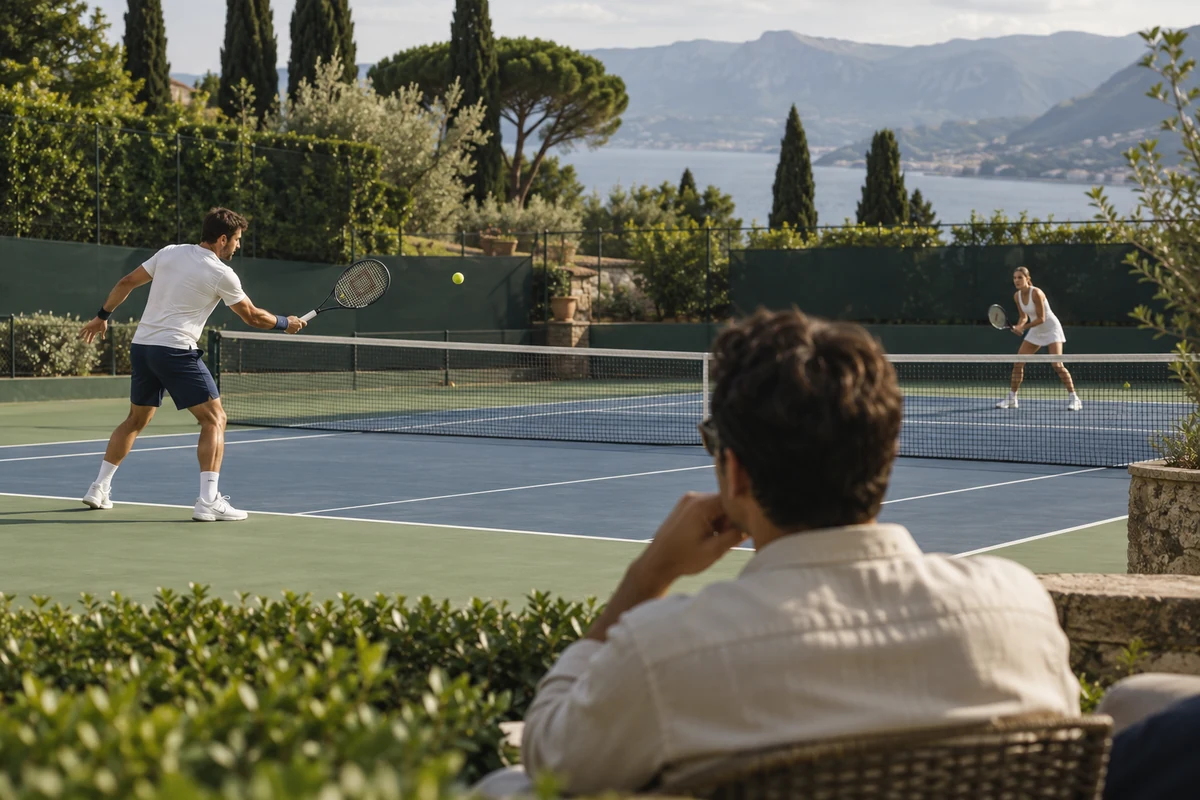
A familiar name is only part of a tennis match
You have followed one player for years, but you are seeing their opponent for the first time. It is tempting to ask, “Who is better?” Yet the answer depends on what you want to understand: recent results, playing conditions, style, or the tournament context. A ranking alone cannot describe the matchup, and it cannot guarantee the outcome.
Preparation is clearer when you first identify the players, compare a few available facts, and then note what is missing. Sportexa AI can discuss a selected tennis match using the sports information available for that fixture. Coverage is not identical for every match, so a useful opening question is: “I know one player but not their opponent. What can I check before the match?”
Free-form questions and conversation require a plan with AI access. Available modes and usage limits depend on your plan.
Make sure you are comparing the right players
In tennis, athletes may have similar names or different spellings. Before comparing them, check the match page and tournament context. Select the fixture explicitly instead of relying on a similar-looking name in a search field.
Then narrow the question. “Tell me about the opponent” is broad. You can ask for available information about tournament participation, recent results, or the playing surface, provided those details exist. Ask the app to separate confirmed information, cautious interpretation, and unknowns. That turns an unfamiliar player into a few concrete questions instead of an invitation to invent a biography.
Check the period and definition for any detail that affects your impression. Recent results do not predict that performance will continue; results on one surface do not automatically transfer to another. A comparison is useful only when its limits are clear: which period and conditions does it cover?
Compare one aspect at a time
First decide which part of the game you want to follow. Comparing results in similar conditions and asking about serve performance are different tasks. If serve statistics are available, ask which measures are being compared and over what period. Do not draw a conclusion from a percentage without its denominator, competition format, and opponent context.
Here is a hypothetical example: you know the favourite from televised matches, but the second player is new to you. Instead of asking “Does the favourite have a better chance?”, try: “What confirmed differences between the players are available, and what can help me follow the match?” The answer may suggest what to watch: how a player begins a rally, how the other returns, or what recent match data show. A viewing cue is not a promise about the result.
Rankings, seedings, and form answer different questions. If the app or sports information provides one of these, ask what it means and when it was recorded. Do not treat a ranking as a current forecast or a seed as a description of every match. If the information is old or its date is unclear, that limits the comparison.
Check the surface and format when they are confirmed
The playing surface and tournament rules may matter to your preparation. First confirm the surface for the selected fixture and the competition format. Do not assume that detailed results across every surface are available. If they are missing, ask a broader question: “Which conditions for this match are confirmed, and which details would need checking?”
Even with a confirmed surface, results do not transfer mechanically. A list of wins and losses cannot tell the whole story. Use comparisons to decide what to watch, not to rank the players automatically.
Ask for two viewing angles: one for the familiar player and one for the opponent you are getting to know. For example, follow the favourite’s serve for part of the match and watch how their opponent returns. That helps you look beyond the name you already recognize and notice what is actually happening on court.
Continue the discussion in Sportexa
Open the specific fixture and begin simply: “Who is playing, what confirmed information is available about both players, and what do we not know?” Then choose one follow-up: “Is there data about results in similar conditions?” or “What can we say about serving, if statistics are available?” You do not need an exhaustive profile when comparing one aspect would be more useful.
Sportexa AI keeps the discussion connected to a selected match and explains its available context. It should not fill gaps with unconfirmed claims about practice, injuries, or physical condition, or infer a player’s motivation from a score. If there is not enough information, that is useful to know before the match.
Keep questions about the same pair in the same chat—for example, ask about the surface and then about serve figures. Start a new chat and select a new fixture to discuss a different match; do not assume that the old context carries over automatically. Check whether a particular statistic is available in the response for the selected game.
Watch both players, not only the one you know
Before play begins, write down what you know about the player you follow and what you are guessing about their opponent. Add one or two confirmed facts and a question to watch for. During the match, notice whether your expectations fit what happens. Afterwards, review the completed fixture and compare your impression with the final data available.
An unfamiliar name then becomes more than a supporting character in the favourite’s story. You notice the matchup, ask better questions, and get more from watching—even if you are not trying to predict the result or place a bet.
Choose a tennis match and get to know the players with Sportexa AI. You will need to sign in to continue.
Sportexa AI
Apply this to a real match
Choose a match in Sportexa AI and ask the assistant how the available sports data and current odds relate to the idea in this article.
Open the assistant