
Before Kick-off: Get the Context for an Unfamiliar Match
Watching an unfamiliar football match? Pick one fixture, see what context is available and ask Sportexa what to watch for.
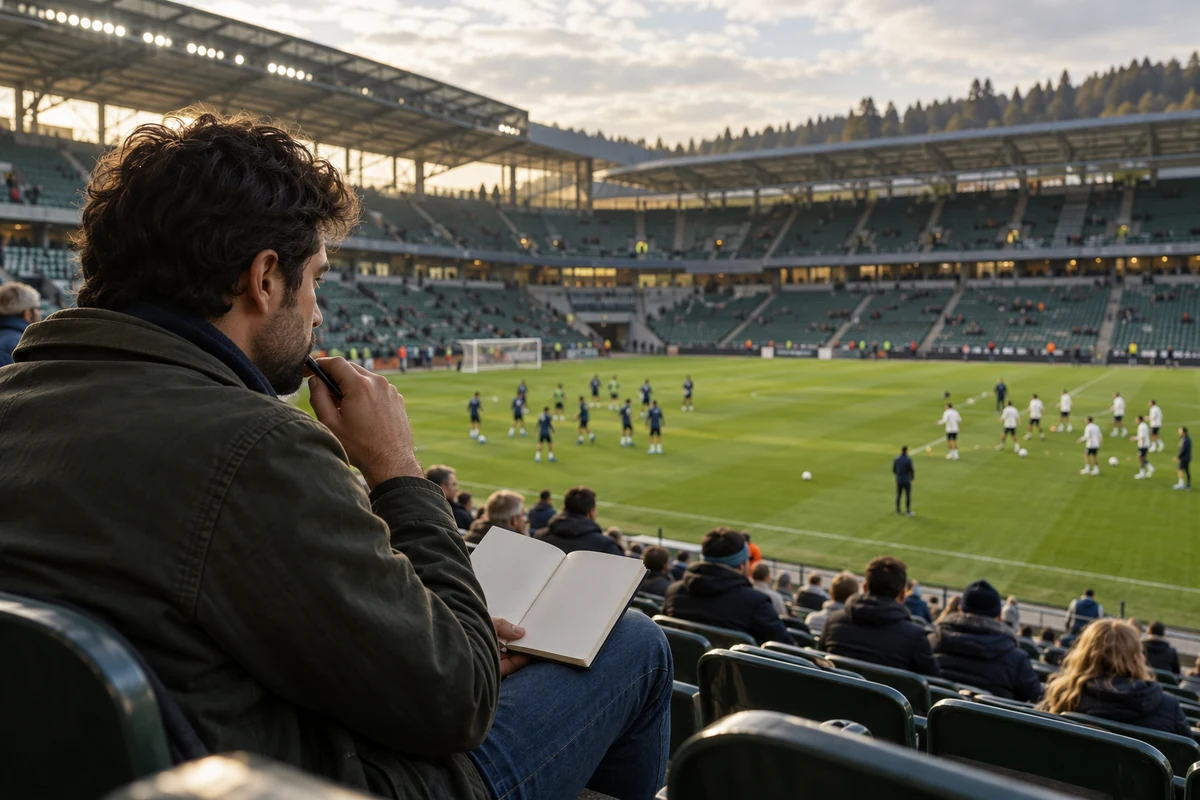
Sometimes you want to watch a match even though you have never heard of either team. Without context, it can be hard to know why the game matters, what fans expect, or what to follow. You do not need to read dozens of news stories first. Pick one fixture, explore the available context, and prepare a few questions for the game.
Start with one match, not the whole tournament
First, choose an available football fixture. The goal is not to learn each club’s entire history; it is to understand this event: who is playing, what is known before kick-off, and what information is available for the match.
In Sportexa, you can open the selected match and ask a simple editorial prompt: “Who is playing, and what should I know before it starts?” That is more focused than requesting an encyclopedia about a club. The conversation has a clear boundary, and follow-up questions can stay with the same event.
Free-form questions and conversation require a plan with AI access. Available modes and usage limits depend on your plan.
The available data depends on the match. If tournament context, recent results or line-ups are not verified, do not fill the gaps with guesses. Ask which information is available and what would be needed for a stronger conclusion. Good preparation starts by understanding both what is known and what is missing.
Find out why the game is worth watching
Next, ask what the fixture means: perhaps it is a stage of a tournament, a point in the schedule, or connected to the teams’ known standings. It is important to distinguish facts from motives. A table or competition format can provide context, but it does not prove that players feel pressure or that a team will choose a particular tactic.
An editorial example: “What could this match change for the teams?” If the answer mentions a tournament objective, ask it to separate the confirmed standings from interpretation. That gives you a question to watch for: for example, how a side with a clear objective starts, or what changes after the first goal. Treat that as an observation, not a prediction.
Compare the teams without memorizing unfamiliar names
When you do not know the teams, you have no ready-made sense of their strengths. Comparing available results or metrics can offer a starting point, but it cannot tell the full story. Choose one question: who created more threats in the matches recorded, how their results differed, or whether the samples are comparable.
You might ask: “What in these teams’ recent available results can help me understand today’s match?” If the data is limited or the teams faced different conditions, ask the assistant to say so. Do not project past form directly onto today’s game or treat a winning streak as a guarantee of another win.
If line-ups are published and available, check who is playing before the game. But do not draw a confident conclusion about tactics or chances from one absence alone. It may be unclear who will start, why someone is unavailable, or what role a replacement will have. Ask what is confirmed and what remains unknown.
Pick one detail to follow
Preparation is most useful when it gives your attention a focus instead of becoming a long report. Pick one or two things to observe: what happens after a turnover, whether pressure on the opposition changes, or how a team responds after conceding. Tie specific examples to the information and conclusions available for that match; do not present them as guaranteed analysis.
An example prompt: “Which differences between these teams should I keep in mind while I watch?” Then ask for a plain-language explanation of any unfamiliar terms. If a prediction about the game sounds too definite, ask: “What other scenarios are possible?” Three or four simple things to watch can be more useful than a long list of numbers without a connection to the game.
You do not need to follow every statistic live. You can remember a question, wait for an interesting moment and return to it after the match. Sportexa can help clarify the context of one selected game; it does not replace watching the game or provide a video stream.
Ask a question before kick-off
Before the match, try a short sequence. First: “What should I know about the teams?” Then: “Which part of the game will be interesting to follow?” Finally: “What facts could change my first impression?” This order leaves room for events on the pitch to unfold differently from what you expected.
These sample prompts are editorial examples, not a guaranteed list of features or actual responses. Information about the selected event should come from verified available context. If something is missing, the answer may explain the limitation; ask for clarification instead of filling it in yourself.
Continue the discussion after the game
When the match ends, return to the question you started with: what did you see, what changed, and which conclusions are supported by the final data? A completed match can be discussed using the available score, statistics and other results, when present. Not every metric is available for every event.
Keep the discussion tied to the selected match by following up in the same chat. Start a new chat for a different fixture. If what you saw differed from your expectations, ask about the limits of your first assumption rather than only “why was the prediction wrong?” The result alone does not always explain how the game unfolded.
Prepare with one question
Open the match center, choose an available fixture and ask: “What should I know before it starts, and what should I watch for?” You need to sign in to start a new chat. That is enough to begin watching with context, even when the teams are unfamiliar.
Sportexa AI
Apply this to a real match
Choose a match in Sportexa AI and ask the assistant how the available sports data and current odds relate to the idea in this article.
Open the assistant